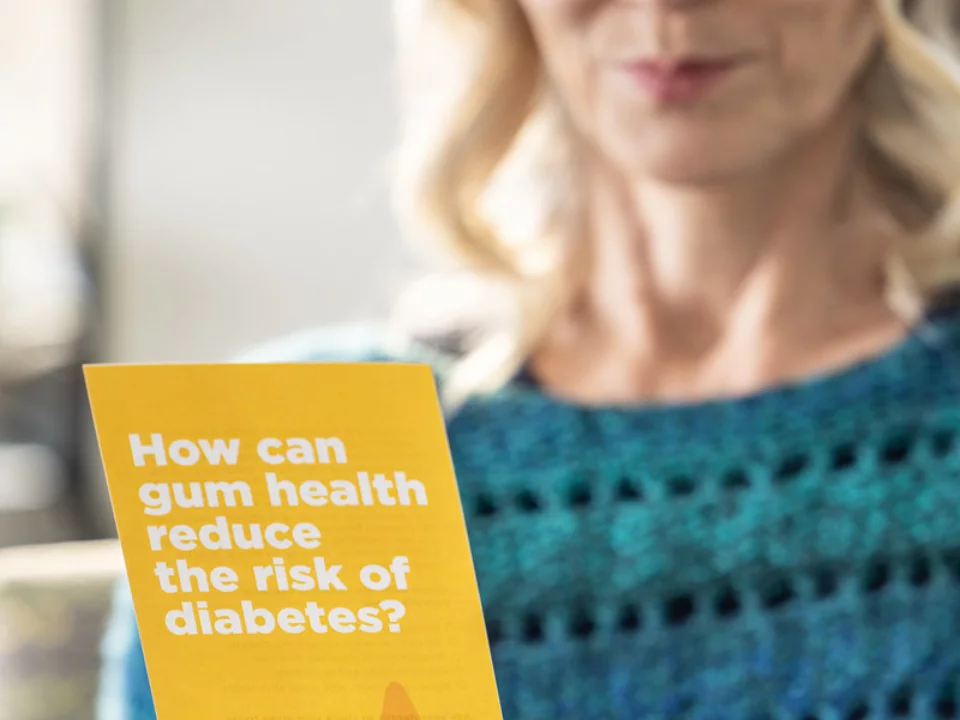
There has never been a more exciting and dynamic time in dentistry. Years of clinical research on the Mouth-Body Connection® have deepened the understanding of how oral health influences overall health. That growing body of evidence helped shape the U.S. Surgeon General’s call to action, which concluded that the future of oral health in America depends on recognizing oral health as an essential part of overall health and health care.
At PDS Health, that understanding continues to shape how care is delivered. By recognizing dentists as an important part of the broader care team, there is a greater opportunity to improve health outcomes through collaboration, prevention, and more connected care experiences.
Foundation
This is the foundation of integrated care, and PDS Health continues to invest in making that model a reality. With co-located and connected practices already in operation and plans to expand further over time, we believe this approach represents an important step forward for the future of care. As health care continues to evolve toward more value-based, whole-person models, stronger collaboration between dental and medical providers can help improve outcomes, increase efficiency, and reduce costs.
At the center of this approach is the mindset. Successful integrated care depends on clinicians across disciplines sharing a commitment to preventive, personalized care that supports the whole patient. Whether that clinician is a dentist, physician, dental hygienist, nutritionist, or specialist, the goal remains the same: deliver the best possible care by understanding the full picture of a patient’s health.
Working Across Disciplines
That mindset also recognizes the value of working across disciplines. When dentists and physicians collaborate, they are better positioned to identify concerns earlier, address risk factors more effectively, and create more holistic care plans that support healthier, happier patients.
At PDS Health, there is a strong belief that care begins with trust. Conversations about the Mouth-Body Connection® are most meaningful when patients understand that their care team is focused not only on oral health, but on their overall well-being.
Complete Picture
Access to dental-medical integrated electronic health records helps create more informed, connected conversations around patient care. When dental teams can see a more complete picture of a patient’s health, including medical and dental history, medications, prior care visits, hospitalizations, lab work, and other important clinical information, they are better equipped to identify potential links between oral health and chronic conditions such as heart disease, diabetes, and Alzheimer’s disease. Those insights can help dental teams have more meaningful conversations with patients and support a stronger understanding of the Mouth-Body Connection®.
As more clinicians, patients, and organizations embrace this connection, the opportunity to improve outcomes continues to grow. Integrated health care is not only a vision for the future, but also a meaningful path toward more coordinated, preventive, and patient-centered care today.